





About the theatre

History

Кадри з історії театру: Taras Shevchenko National Opera of Ukraine

An architectural gem

Taras Shevchenko National Opera of Ukraine

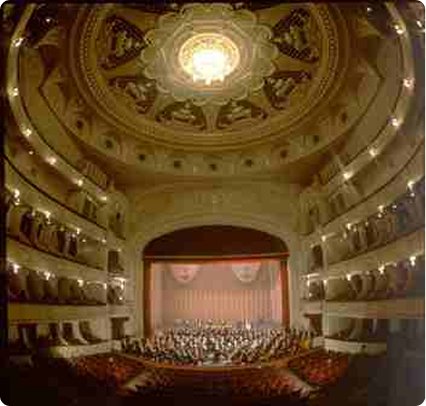
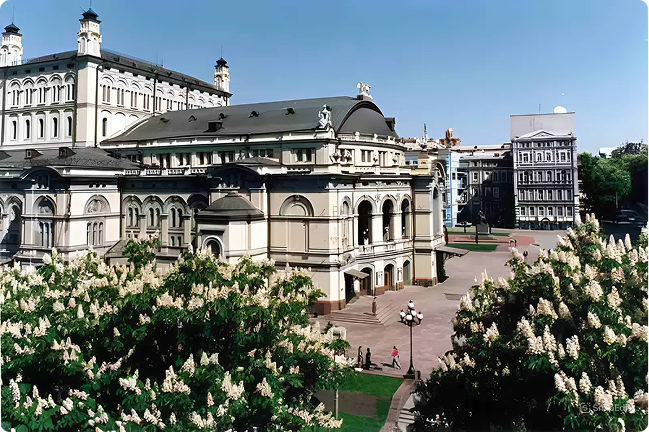
In the heart of Kyiv, between St. Sophia Cathedral and Shevchenko University, stands an architectural gem — the National Opera, known as the ‘Temple of the Muses.’

The tragic event of 1896

  • A fire after a performance of Eugene Onegin destroyed the City Theatre in 1856.
  • Priceless sets, costumes and the music library were lost.
  • Such tragedies were common — between 1889 and 1891 alone, 22 theatres burned down.
Кадри з історії театру: Location and significance of the building

Location and significance of the building

In the heart of Kyiv, at the intersection of Volodymyrska and Bohdan Khmelnytsky streets, between the golden-domed St. Sophia Cathedral and the classical building of Shevchenko University, lies an architectural gem — the Taras Shevchenko National Opera of Ukraine. Poetically referred to as the Temple of the Muses, it is rightly considered one of the city’s most remarkable landmarks.

Background: Fire and loss

In February 1896, after a morning performance of the opera Eugene Onegin, a fire broke out in the City Theatre. The fire spread rapidly, and the building, constructed in 1856, burned almost to the ground. One of the best music libraries in the Russian Empire, numerous costumes and decorations were lost in the flames. Such tragedies were not uncommon at the time: in just two years, 22 theatres burned down around the world.

Кадри з історії театру: Construction of a new opera house

Construction of a new opera house

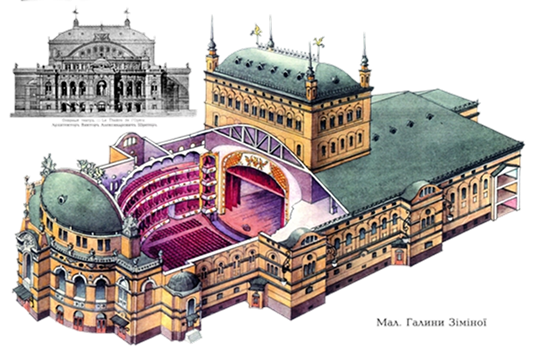
After the tragedy, Kyiv residents demanded that the authorities build a new theatre building as soon as possible. An international architectural competition was announced, in which artists from several European countries took part. The winning project was designed by academician Viktor Shreter. Based on his more than 280 drawings, the theatre was built under the supervision of Kyiv architect Volodymyr Nikolaev. On 16 September 1901, the new Kyiv Opera House was officially opened to the public.

Кадри з історії театру: Contemporary impressions

Contemporary impressions

The initial impressions of Kyiv residents and critics were mixed. The Kyivlyanin newspaper harshly criticised the theatre’s appearance, comparing it to a ‘huge clumsy turtle.’ The interior was also unimpressive — it was described as simple, although some recognised a certain elegance in it.

Challenges of the 20th century

Throughout the turbulent 20th century, the theatre was threatened on more than one occasion. Its architecture barely survived World War I and the Ukrainian National Revival. In the 1930s, there were plans to rebuild it in the ‘proletarian style,’ and during World War II, the theatre was nearly destroyed: underground fighters were preparing an explosion, and in 1943, an aerial bomb hit the building but miraculously failed to detonate.

Кадри з історії театру: Reconstruction in the 1980s

Reconstruction in the 1980s

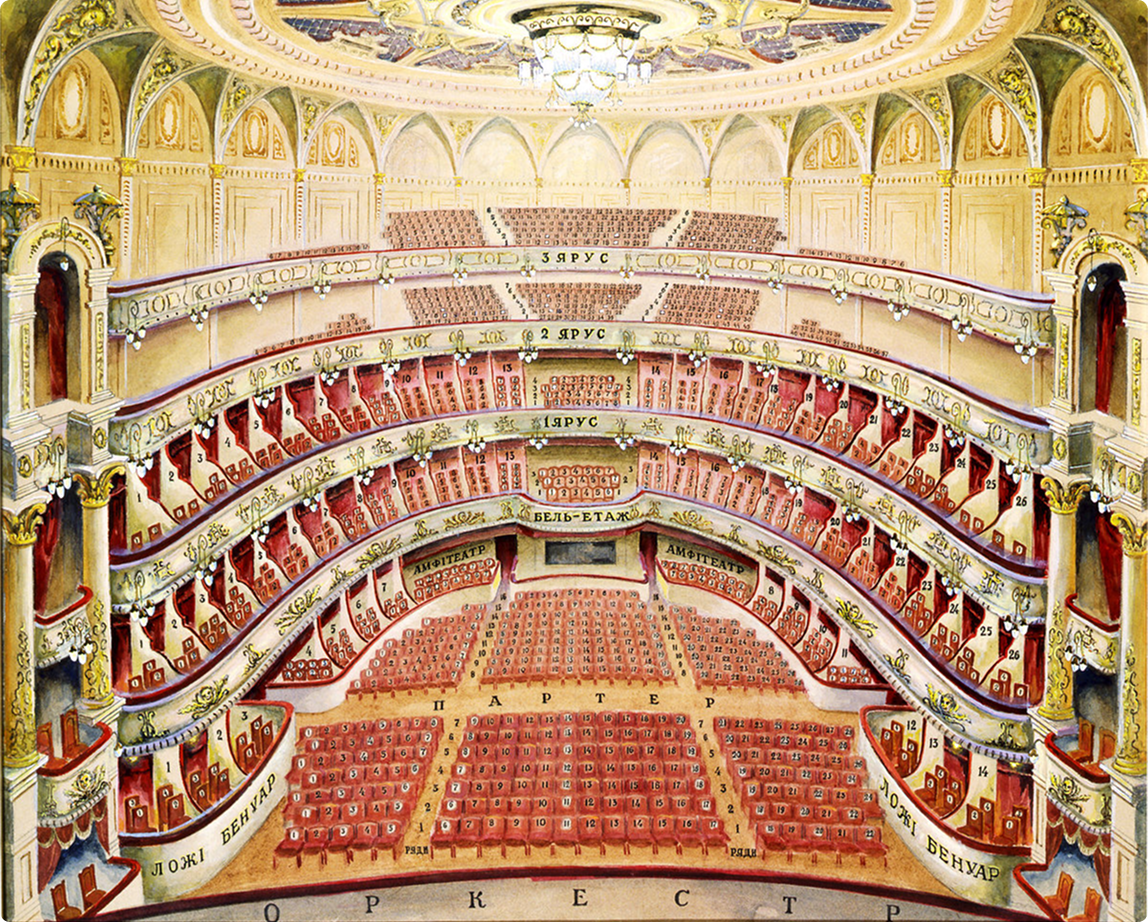
Between 1984 and 1987, the National Opera of Ukraine underwent extensive reconstruction. New rehearsal rooms, dressing rooms and a special choir room were built. The stage was expanded to 824 square metres and equipped with modern mechanisms, lighting and electronics.

Кадри з історії театру: The beginning of the opera tradition

The formation of the troupe

The beginning of the opera tradition

In 1867, the first permanent opera troupe was established in Kyiv. This was an important event for the city, which was gradually becoming a cultural centre. The first performance, the opera Askold’s Grave, was presented on 27 October at the City Theatre. The repertoire immediately included classical works by Ukrainian and European composers.

The development of ballet

The ballet troupe was formed in parallel with the opera troupe. At first, it participated in accompanying scenes, but later gained full status. By the beginning of the 20th century, the theatre was already staging independent ballet performances, and ballet became an integral part of the institution’s creative life.

Кадри з історії театру: National orientation

National orientation

During the period of social transformation at the beginning of the 20th century, the theatre actively supported the ideas of Ukrainian revival. Works in Ukrainian appeared in the repertoire, and leading national performers joined the troupe. This laid the foundations for the theatre’s future status as one of the main centres of Ukrainian musical culture.

Strengthening its position in the capital

In the 1930s, when Kyiv officially became the country’s capital, the theatre significantly strengthened its ranks: the orchestra, choir and ballet troupe expanded. At the same time, the theatre began to actively develop its repertoire based on Ukrainian themes, classical heritage and new contemporary productions.

Кадри з історії театру: Post-war restoration

Post-war restoration

During World War II, the theatre temporarily ceased operations in Kyiv, but the troupe did not stop its creative activities. After returning to the capital, the repertoire was restored, the troupe was reinforced with new forces, and the theatre quickly regained its leading role in the cultural life of the country.